
About Chiropractic
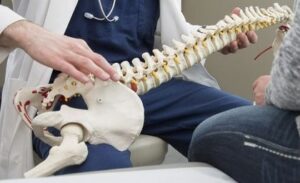
‘Chiropractic (from Greek meaning treatment by hand / Kairopuraktikku-Japanese pronounciation) is a health profession concerned with the diagnosis, treatment and prevention of disorders of the musculoskeletal system, and the effects of these disorders on the nervous system and general health. There is an emphasis on manual techniques, including joint adjustment (chiropractic manipulation).’
(World Federation of Chiropractic 1999)
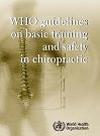
‘A health care profession concerned with the diagnosis, treatment and prevention of disorders of the neuromusculoskeletal system and the effects of these disorders on general health. There is an emphasis on manual techniques, including joint adjustment and/or manipulation, with a particular focus on subluxations.’
(World Health Organization 2005)
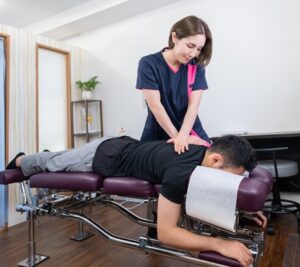
- is a spinal health care expert in the health care system.
- can improve function in the neuromusculoskeletal system, and overall health, wellbeing, and quality of life.
- has a specialized approach to examination, diagnosis, and treatment, based on best available research and clinical evidence with particular emphasis on the relationship between the spine and the nervous system.
- is an expertly qualified provider of spinal adjustment, manipulation and other manual treatments, exercise instruction and patient education.
(World Federation of Chiropractic 2005)
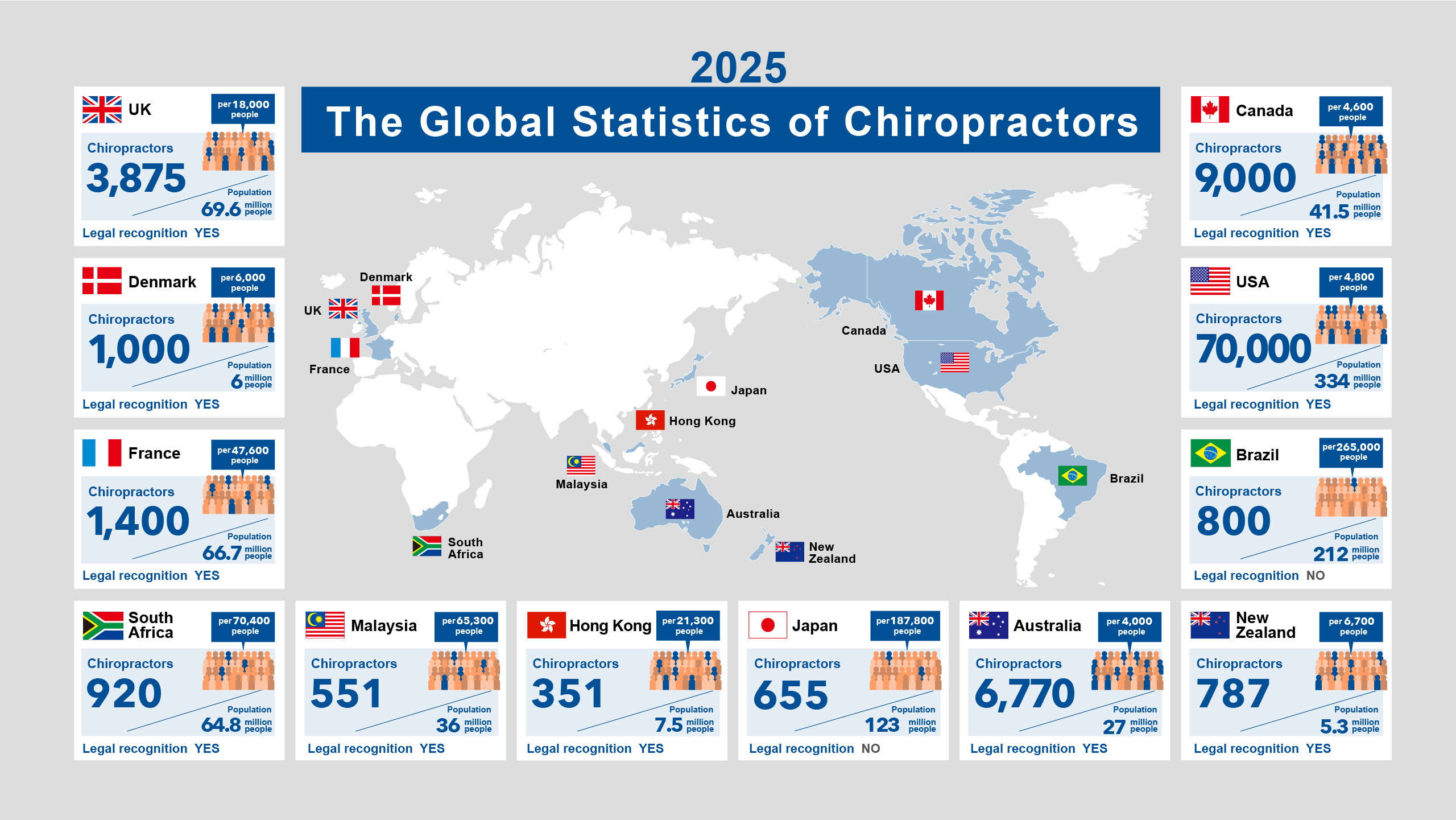
*Please cite the source when you use the diagram above
Total number of chiropractors (DC) in the world: over 104,000 practitioners.
- The Current Status of the Chiropractic Profession, World Federation of Chiropractic
- The chiropractic workforce: a global review
- *Key Facts, American Chiropractic Association
- **Chiropractors, U.S. Bureau of Labor Statistics
- ***Quick Facts, Canadian Chiropractic Association
- ****Statistics, Chiropractic Board of Australia
- *****Registration statistics, General Chiropractic Council
- ******Annual Reports, New Zealand Chiropractic Board
- *******Chiropractic in Denmark, Dansk Kiropraktor Forening
- ********Registration, Chiropractic Council Hong Kong